
Tool
DLS teaching calculator
This teaching tool shows how a chasing target shrinks when overs are cut, using a simplified resource curve. It is not official Duckworth-Lewis-Stern software.
Use this to understand why a rain-shortened chase is not “minus six an over”. Use your competition’s official DLS implementation for a result that will stand.
Cite the ICC playing conditions your league named. Do not paste a screenshot of this page into a protest.
FAQ
Questions about this calculator
- 01 Is this the official DLS calculation?
- No. It is a simplified teaching model. Use the official tool named in your playing conditions for a result.
- 02 Why does the target not drop by six runs an over?
- Because resources depend on overs and wickets together, not overs alone.
Keep reading
From the cricket library
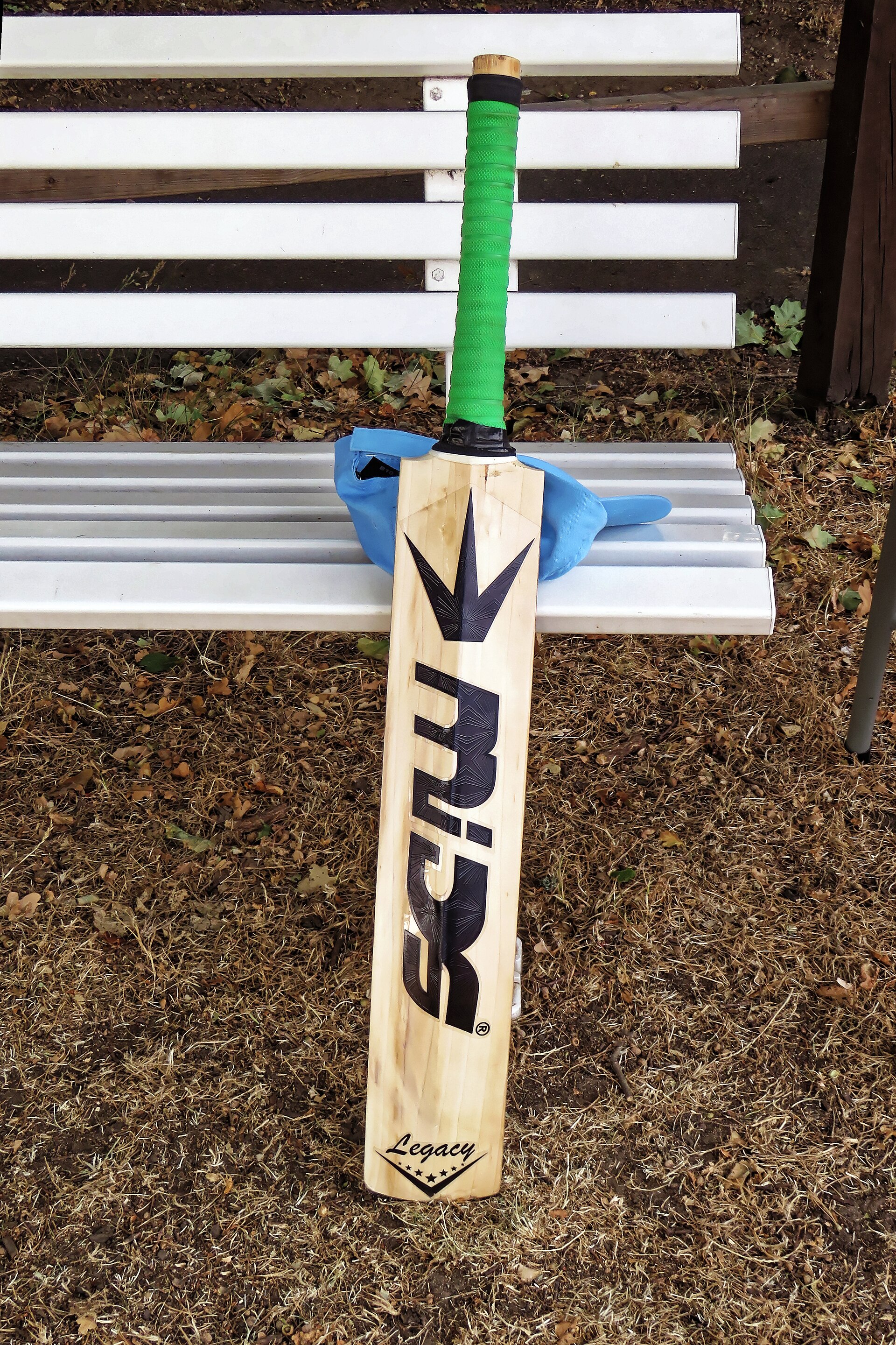 Photo: Acabashi, CC BY-SA 4.0LawHit the ball twiceA batter is out if they strike the ball a second time, deliberately, without the fielders’ consent and not to protect the wicket. It is written as "hb twice".
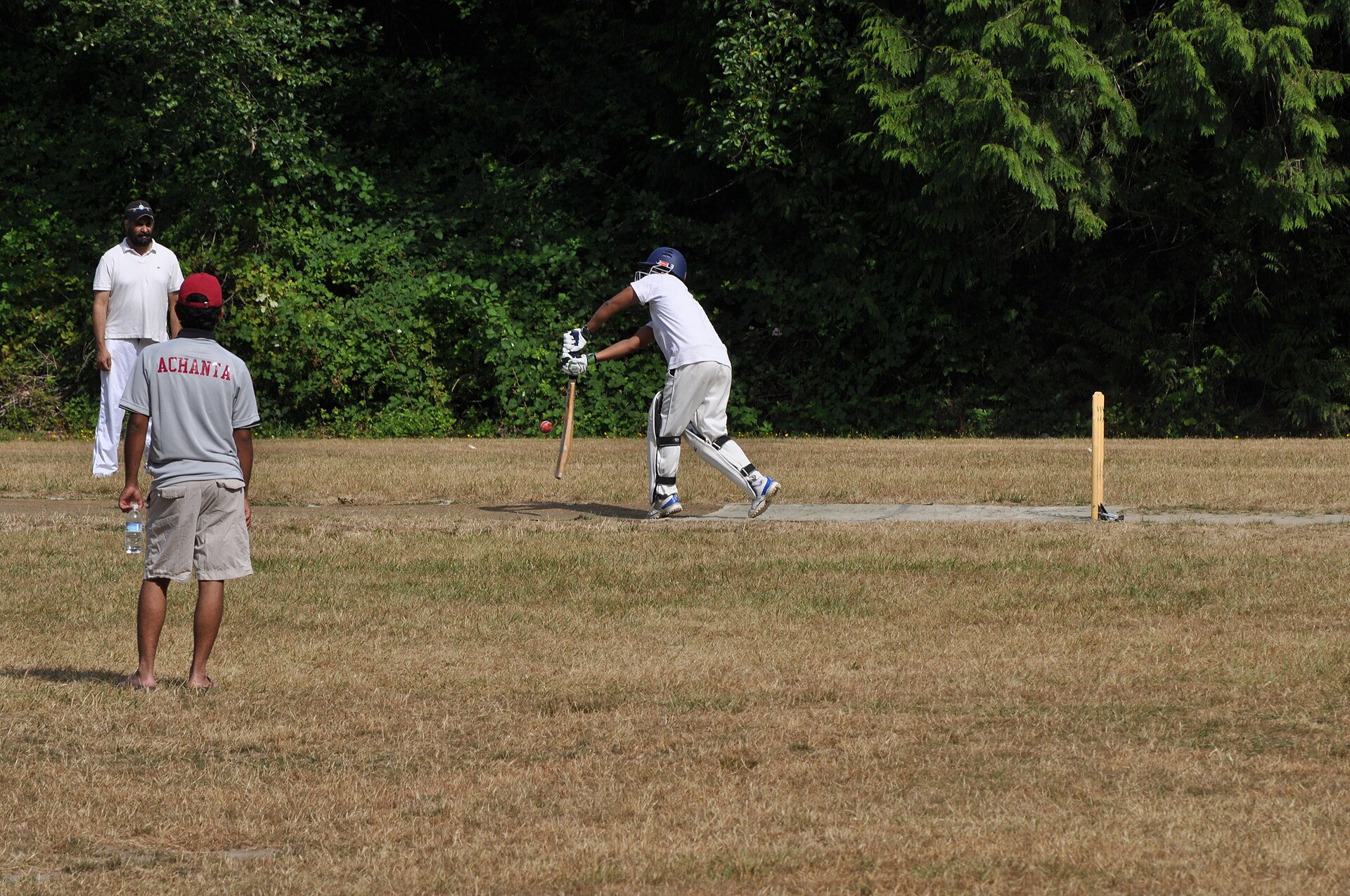 Photo: Joe Mabel, CC BY-SA 3.0GlossaryLeg-byeA run taken after the ball hits the batter’s person, not the bat, under the Laws. Recorded as an extra.
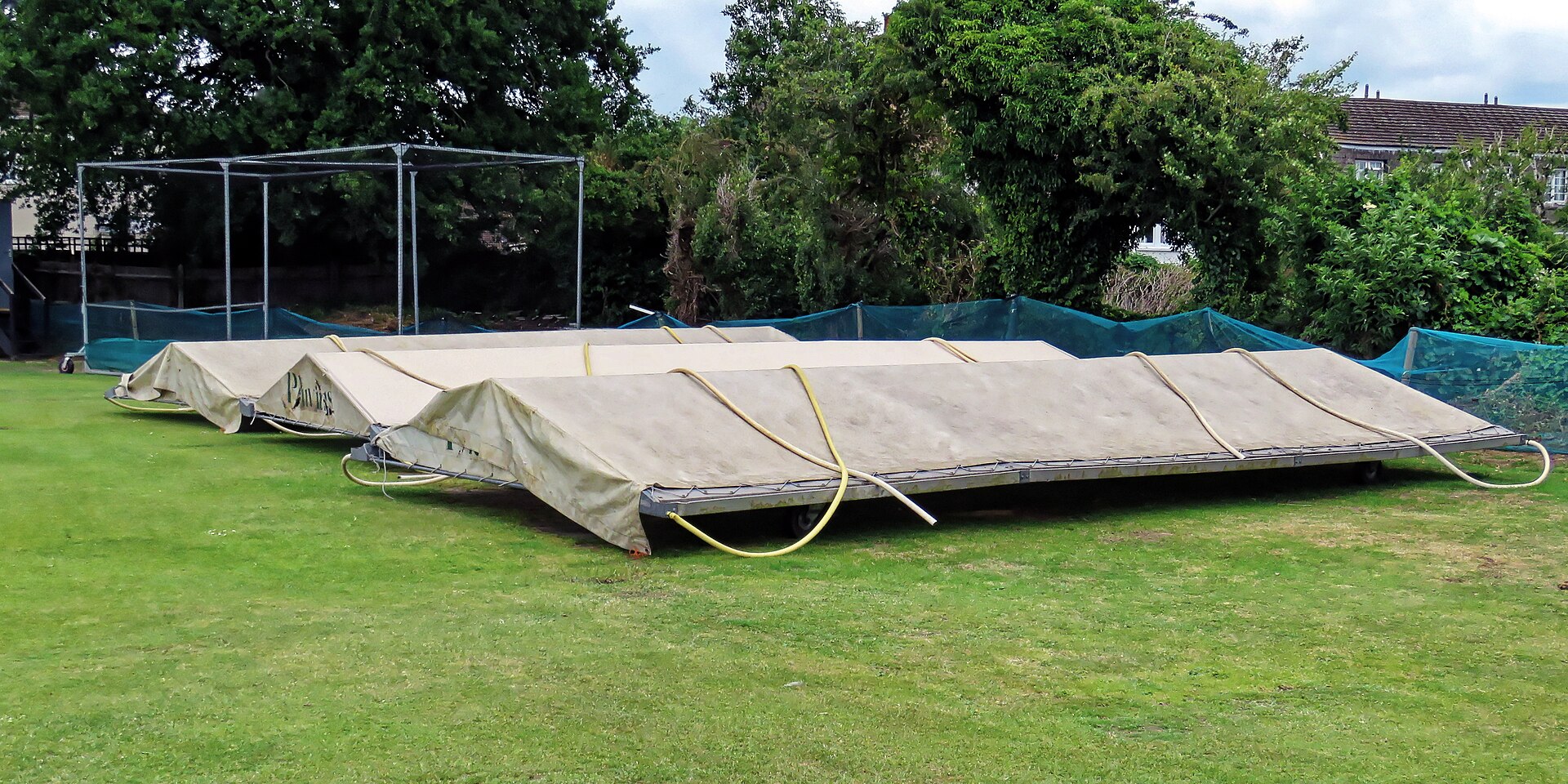 Photo: Acabashi, CC BY-SA 4.0LawDLS for scorersDLS (Duckworth-Lewis-Stern) revises a chasing target when overs are lost, using remaining batting resources, not a simple run-rate sum.
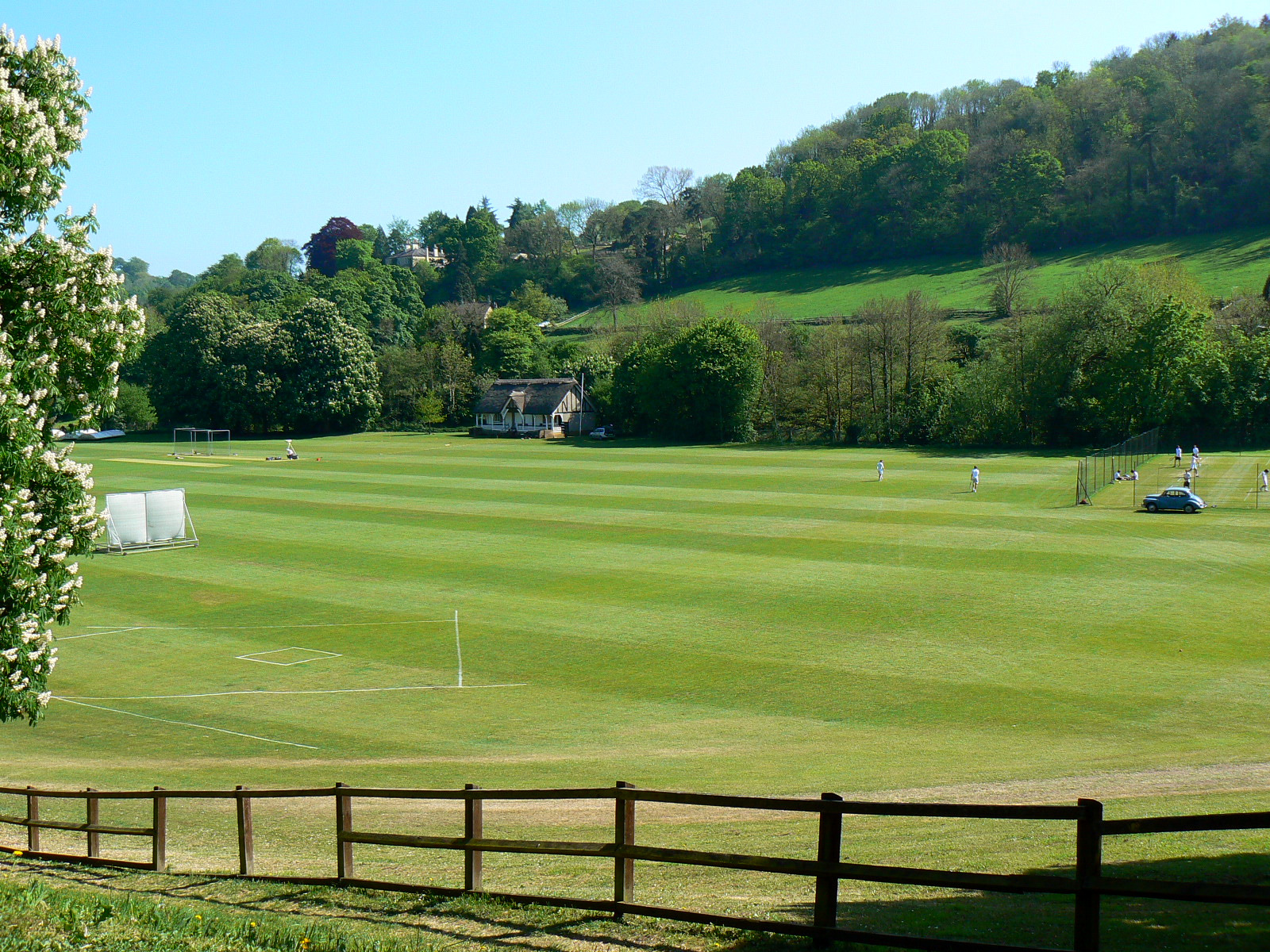 Photo: Brian Robert Marshall, CC BY-SA 2.0GlossaryObstructing the fieldA rare dismissal. Write the umpire’s call; do not improvise the column.
 Photo: B. Sandman, CC BY 2.0BlogWatch live cricket scores: how a live link works in CricSportA live link lets anyone follow a match ball by ball without an account. When a scorer publishes a match, its score, overs and last balls appear on a live page that updates as the match goes on.
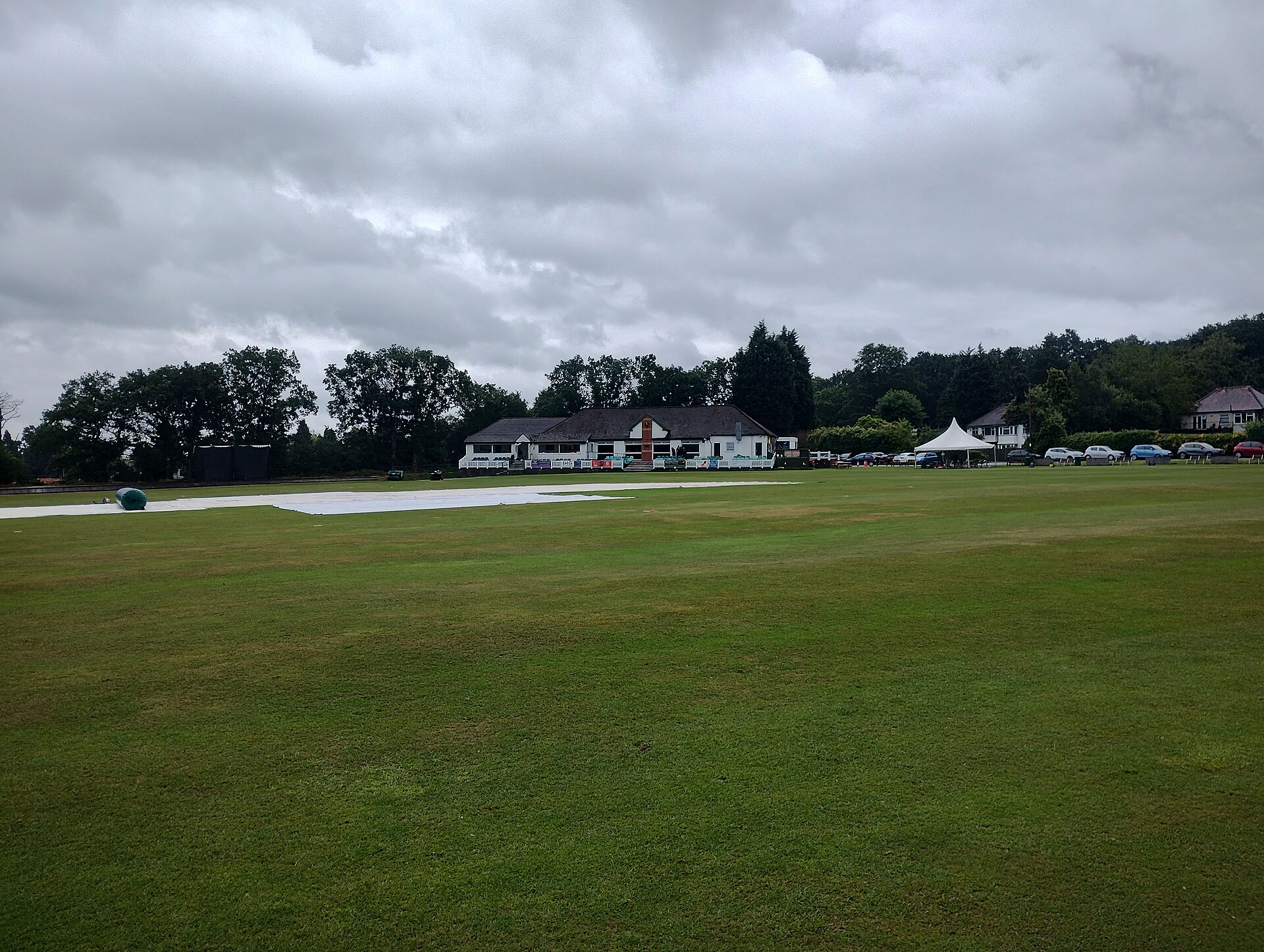 Photo: Mpk662, CC BY-SA 4.0BlogHow to score a cricket match on your phoneScoring on a phone means recording every ball as it happens: runs off the bat, extras, wickets and the over count. Done carefully, the scorecard is correct the moment the match ends.